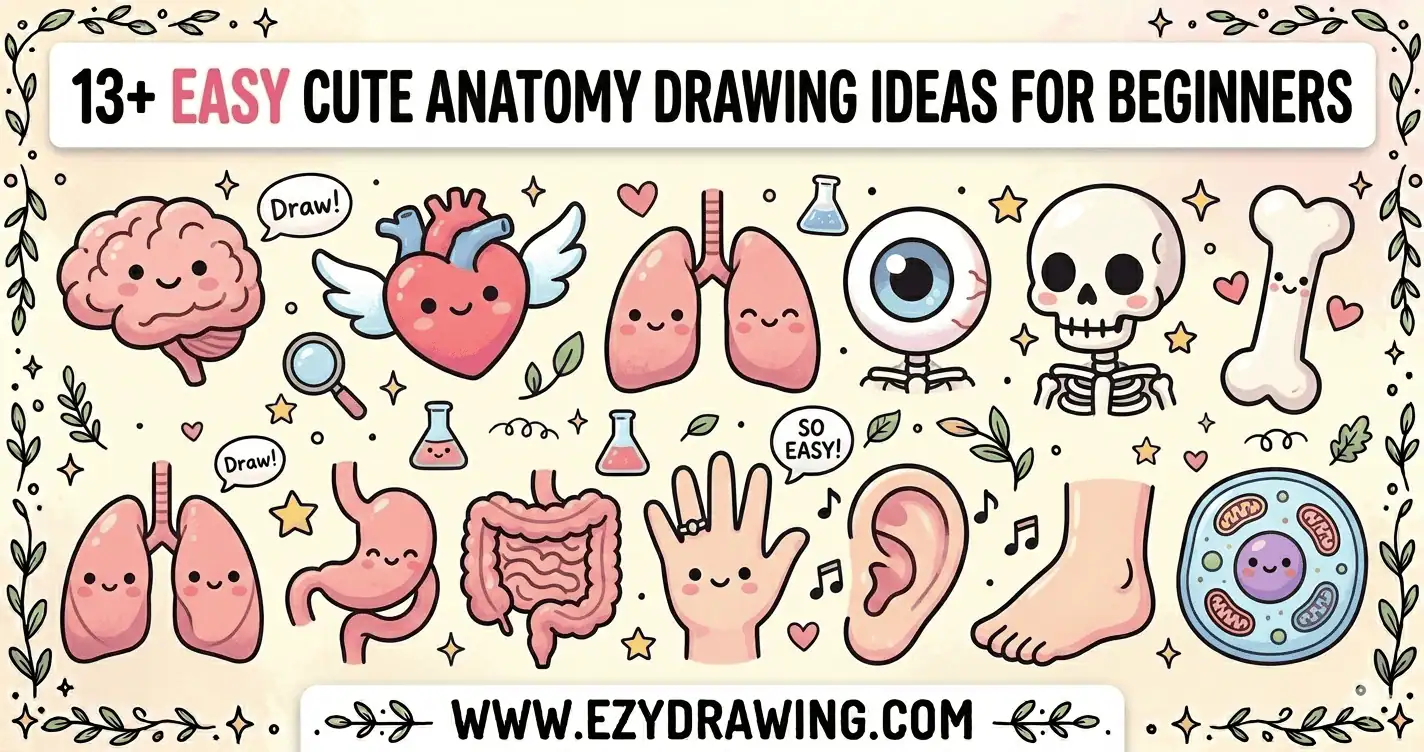
13+ Easy Cute Anatomy Drawing Ideas for Beginners
Anatomy drawing sounds intimidating at first but it is honestly one of the most fascinating and rewarding artistic journeys you can begin — and with the right anatomy drawing ideas, it becomes genuinely exciting rather than overwhelming! 💪
Understanding how the human body is built, how muscles move beneath the skin, and how bones create the framework for every pose and gesture transforms your drawing from flat shapes into living, breathing figures full of energy and truth.
Whether you are exploring expressive hands, dynamic body poses, or using practice drawing exercises to study proportions and movement, every idea on this list makes anatomy drawing approachable, fun, and deeply satisfying. Let’s explore the beautiful architecture of the human form! ✏️
Essential Anatomy Drawing Ideas Tips for Beginners ✏️
- Always start with a simple skeleton or stick figure before adding any muscle or body details — structure first, details second
- Think of the body as a collection of simple 3D shapes: the head is an egg, the torso is a box, the limbs are cylinders
- Study your own hands, arms, and face in a mirror — your body is the most always-available anatomy reference you have
- Anatomy drawing rewards patience and repetition more than almost any other skill — every practice page teaches your hand something permanent!
1. Simple Skeleton Full Body
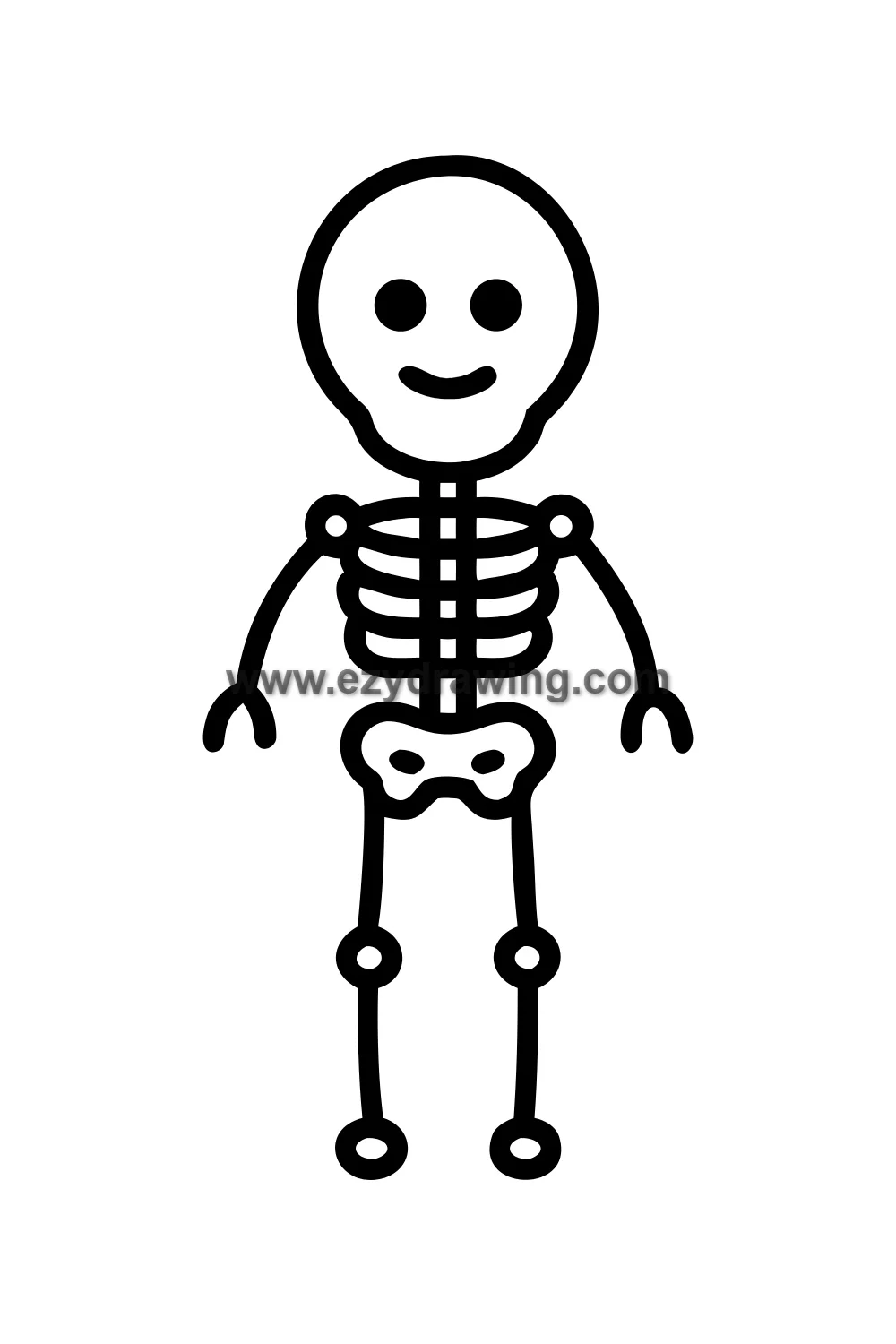
This friendly skeleton stands in the most approachable and welcoming pose imaginable — a gentle smile on its kawaii skull face, all its major bones visible and clearly arranged in their natural relationships. The skull, ribcage, spine, pelvis, and limb bones are all here, presented not as something scary but as the remarkable architectural framework that makes every human movement possible.
Each bone is simplified into its most essential recognizable form — the ribcage as an oval cage of curved lines, the pelvis as a butterfly-wing shape, the long limb bones as rounded cylinder forms. Clean label lines point to each major structure, turning the drawing into a genuinely useful anatomy reference that is also beautiful to look at.
This skeleton drawing is the most fundamental starting point for all anatomy study, and combining it with side profile drawing practice deepens your understanding even further, transforming every figure drawing that follows. A truly essential anatomy drawing idea! 🦴
2. Expressive Hands Pose Sheet
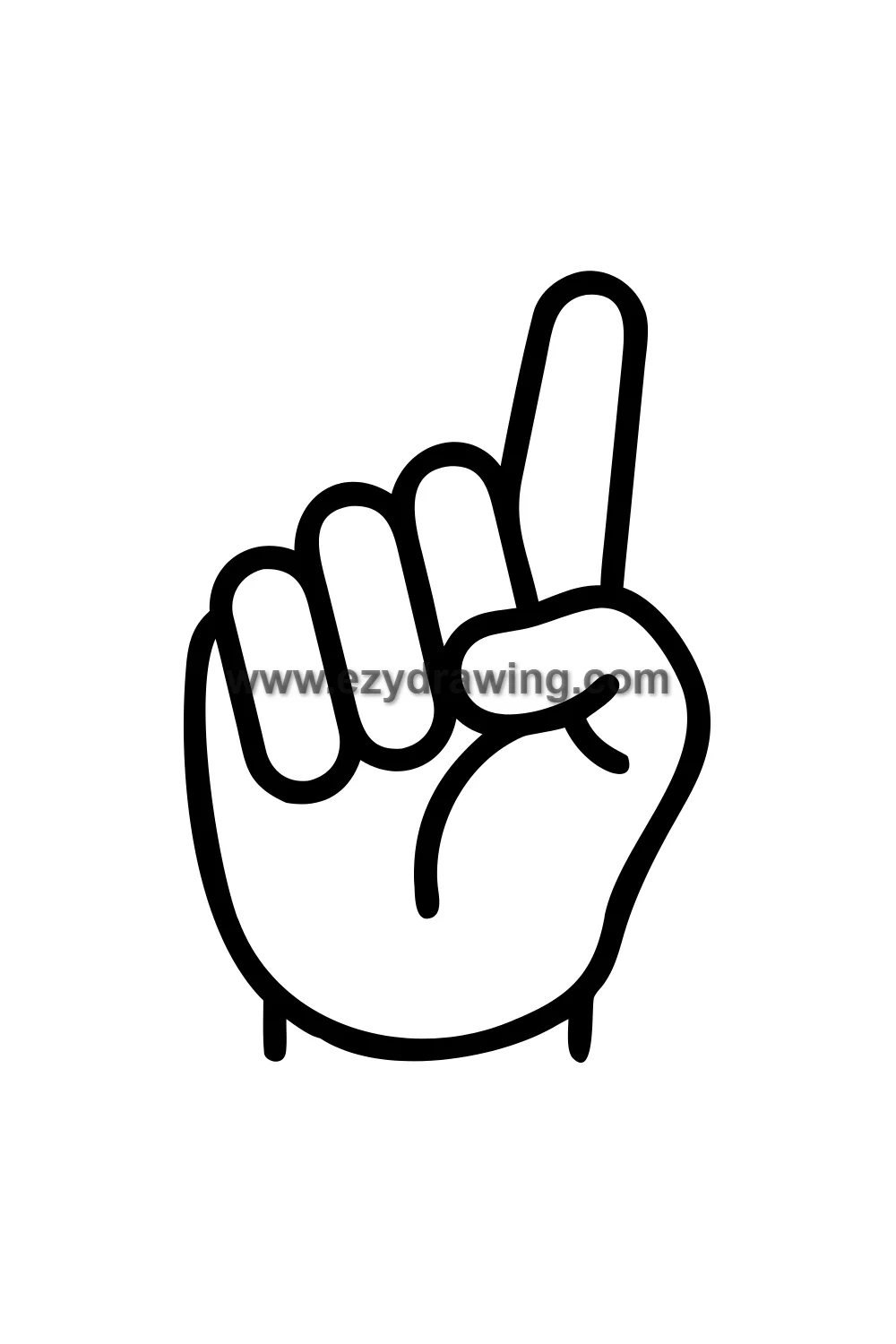
Eight different hand poses fill this reference sheet — an open palm facing forward, a closed fist, a pointing finger, the peace sign, a cheerful thumbs up, gently cupped hands, praying hands pressed together, and a naturally relaxed hanging hand. Together they cover the full expressive vocabulary of one of the most complex and beautiful structures in the human body.
Each hand is drawn with careful attention to the knuckle bumps, the finger joint lines, and the way the thumb sits at a different angle from the fingers — these three details alone transform a flat hand shape into a convincingly three-dimensional and structurally believable one. The varied poses show how dramatically the hand’s silhouette changes with different positions.
Hands are famously the most challenging part of figure drawing, and having a clear reference sheet for multiple poses is one of the most practically valuable anatomy drawing resources any artist can develop. Practicing perspective drawing alongside hand studies adds depth and accuracy to your work. A fundamental and deeply useful anatomy drawing idea! 🤚
3. Face Proportion Guidelines Reference
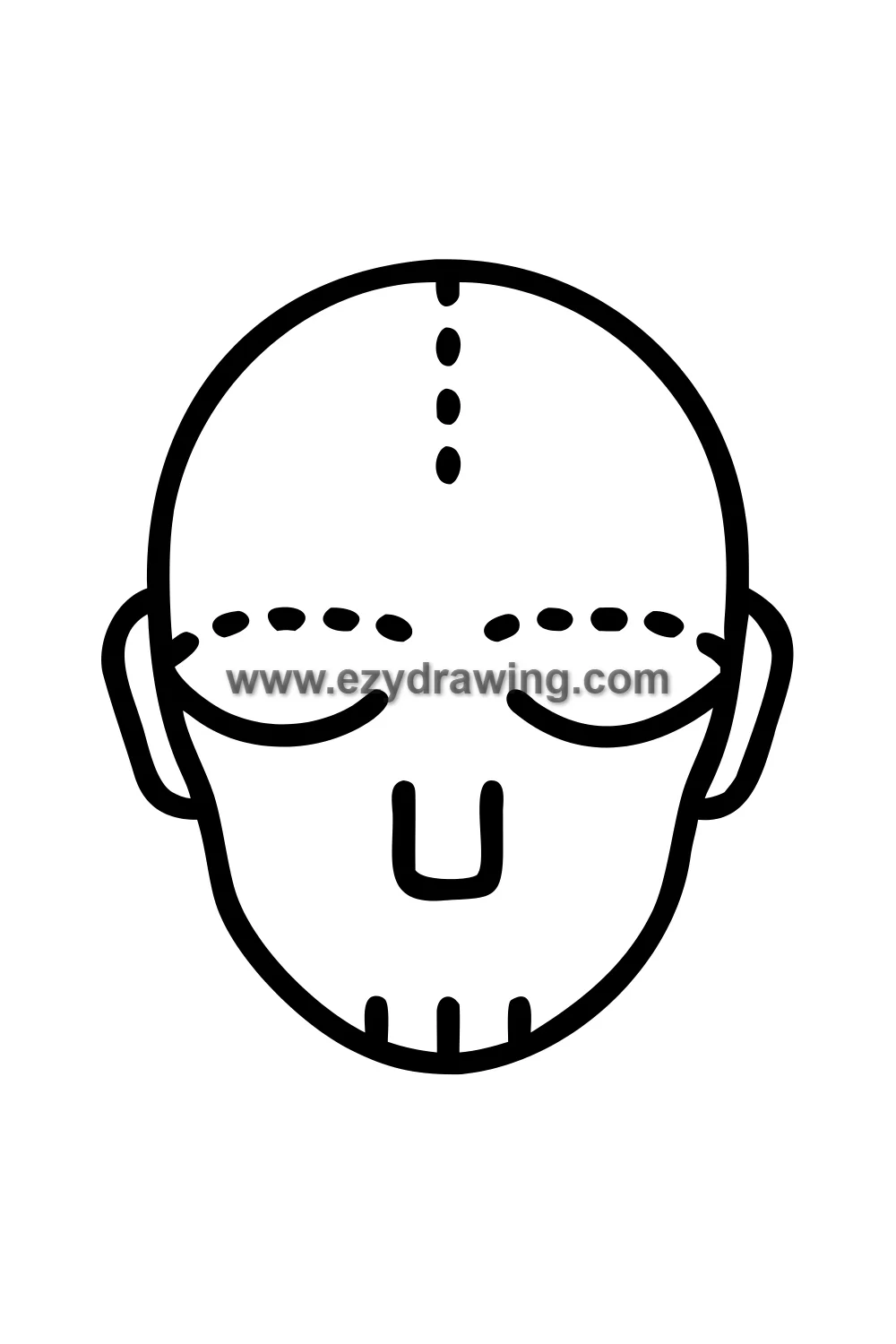
This face proportion reference reveals the elegant mathematical relationships that govern the human face — the eyes sitting precisely at the halfway point of the head height, the nose landing halfway between eyes and chin, the mouth placed one third of the way down from nose to chin, the ears aligning with the eye-to-nose zone. These proportions are the foundation of believable face drawing.
The guideline marks are drawn in a contrasting color to the face itself, making each proportion rule immediately visible without overwhelming the drawing. The face wearing these guides looks natural and correctly proportioned — proof that these rules describe reality rather than imposing artificial structure on it.
Understanding these proportions is the single most transformative piece of knowledge for any beginning face artist — and pairing this with body base drawing helps create a complete and balanced understanding of the human form, making your work even more accurate and satisfying. An absolutely essential anatomy drawing idea! 😊
4. Muscle Arm Flexing Study
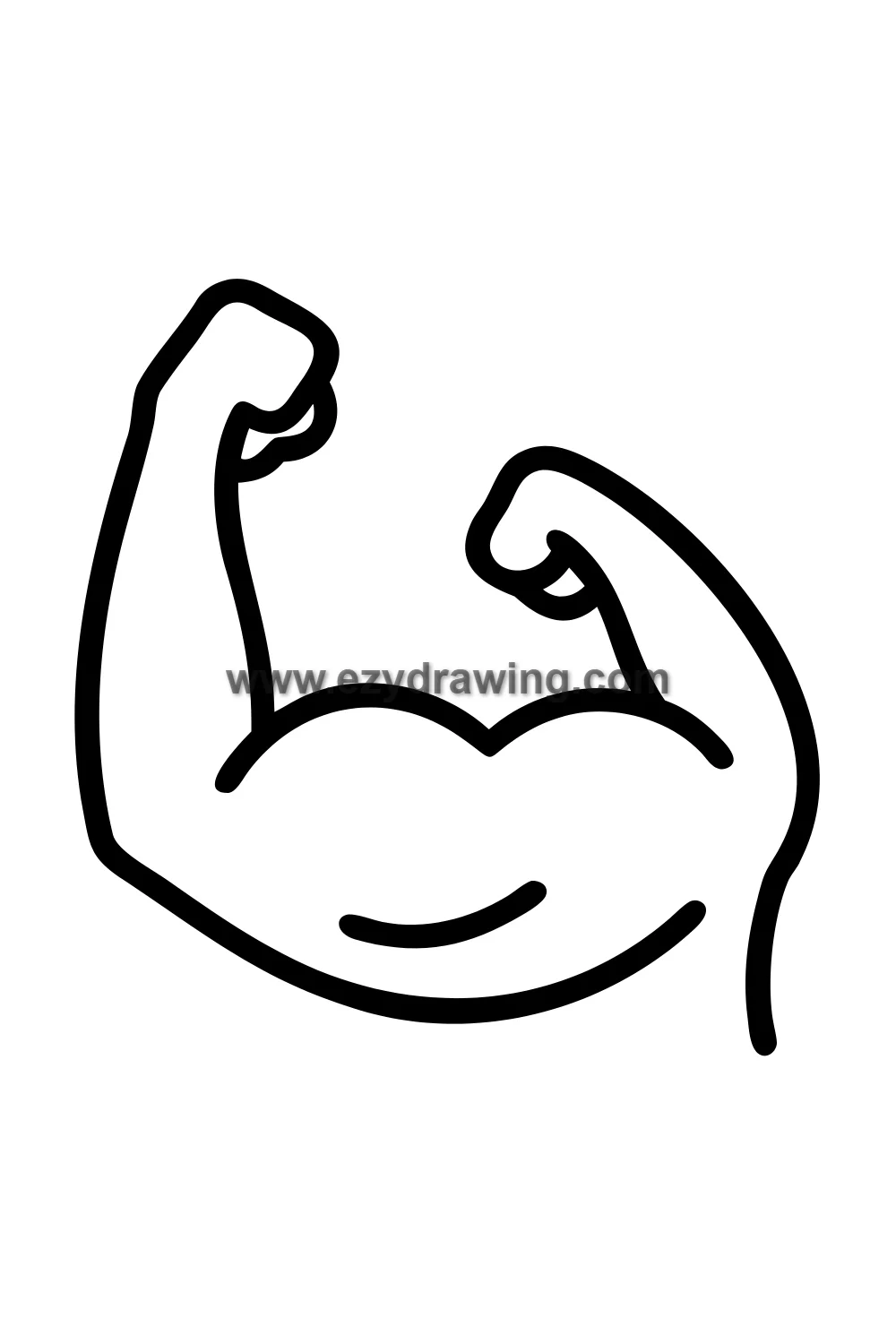
A flexed arm is shown from both front and back, the major muscle groups clearly visible beneath the skin surface — the round bulge of the bicep from the front, the horseshoe shape of the tricep from the back, the twisting rope-like forearm muscles connecting elbow to wrist. This is the architecture of strength made visible and understandable.
The muscles are drawn not as complicated anatomy diagrams but as simplified three-dimensional forms — the bicep is essentially a rounded mound shape, the tricep a horseshoe curve, the forearm muscles a series of elongated oval shapes arranged along the bone. Label lines point clearly to each group without cluttering the drawing.
Understanding these basic arm muscle forms transforms drawn arms from flat tube shapes into convincingly three-dimensional, living structures that respond to pose and movement, and refining details like eye drawing further enhances the realism of your overall figure work. A powerfully useful anatomy drawing idea! 💪
5. Body Proportions Eight Heads Guide
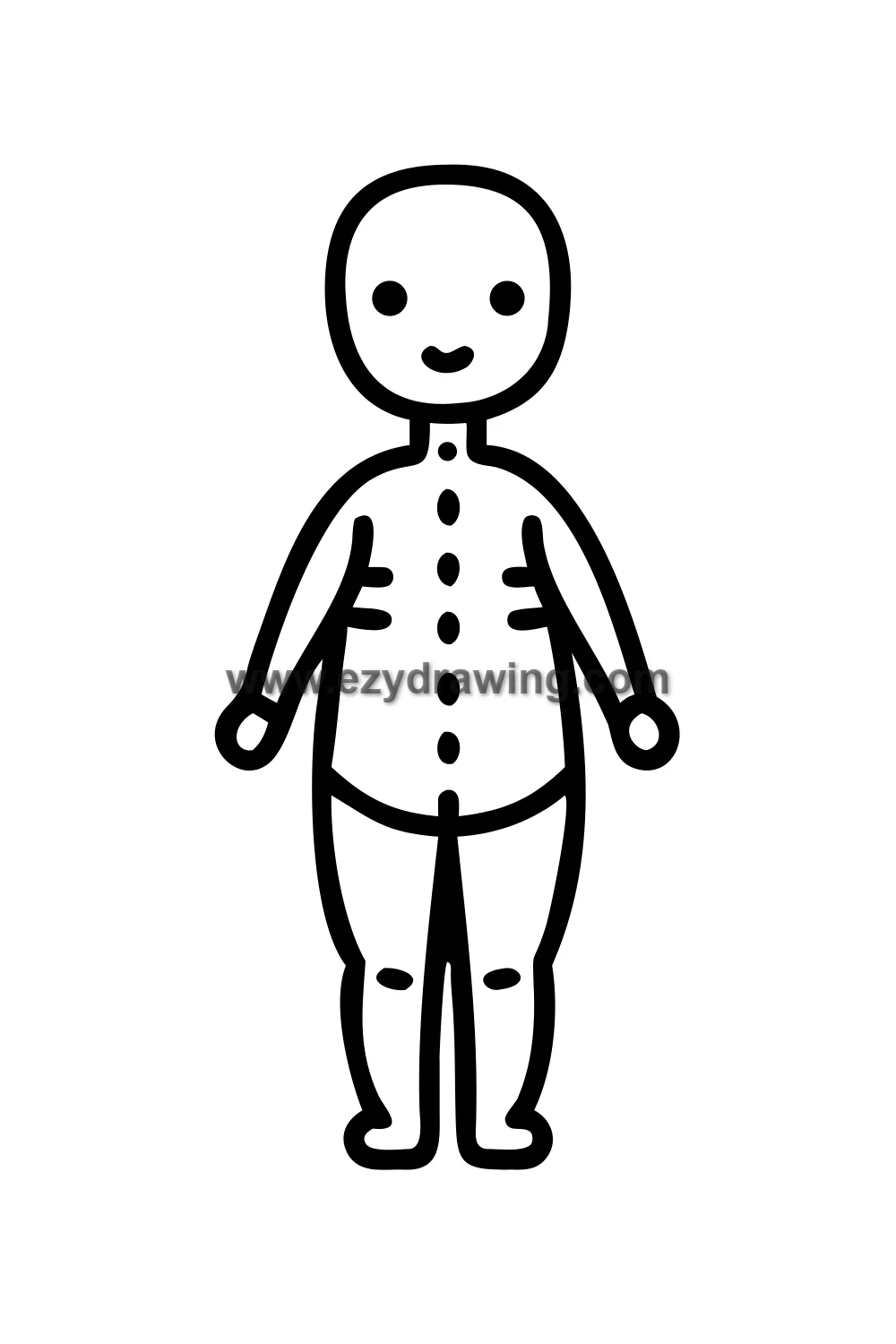
This proportion guide divides the full human figure into eight equal head-height sections from crown to floor, marking exactly which body landmark falls at each division — the chin at one head, the nipple line at two, the navel at three, the pubic line at four, mid thigh at five, knee at six, mid shin at seven, and the ground at eight. This is the map of ideal human proportion.
The eight-heads rule is the most widely used proportion standard in figure drawing, and seeing it laid out clearly on an actual figure makes it immediately intuitive rather than abstract. Each guideline divides the body into a logical zone that artists can use to check and correct their own figure drawings.
This proportion reference is genuinely transformative for any figure drawing practice — and even practicing doodles drawing alongside it helps reinforce structure and creativity, allowing any artist to construct a believable full figure from imagination without reference. An absolutely foundational anatomy drawing idea! 📏
6. Expressive Eye Anatomy Close Up
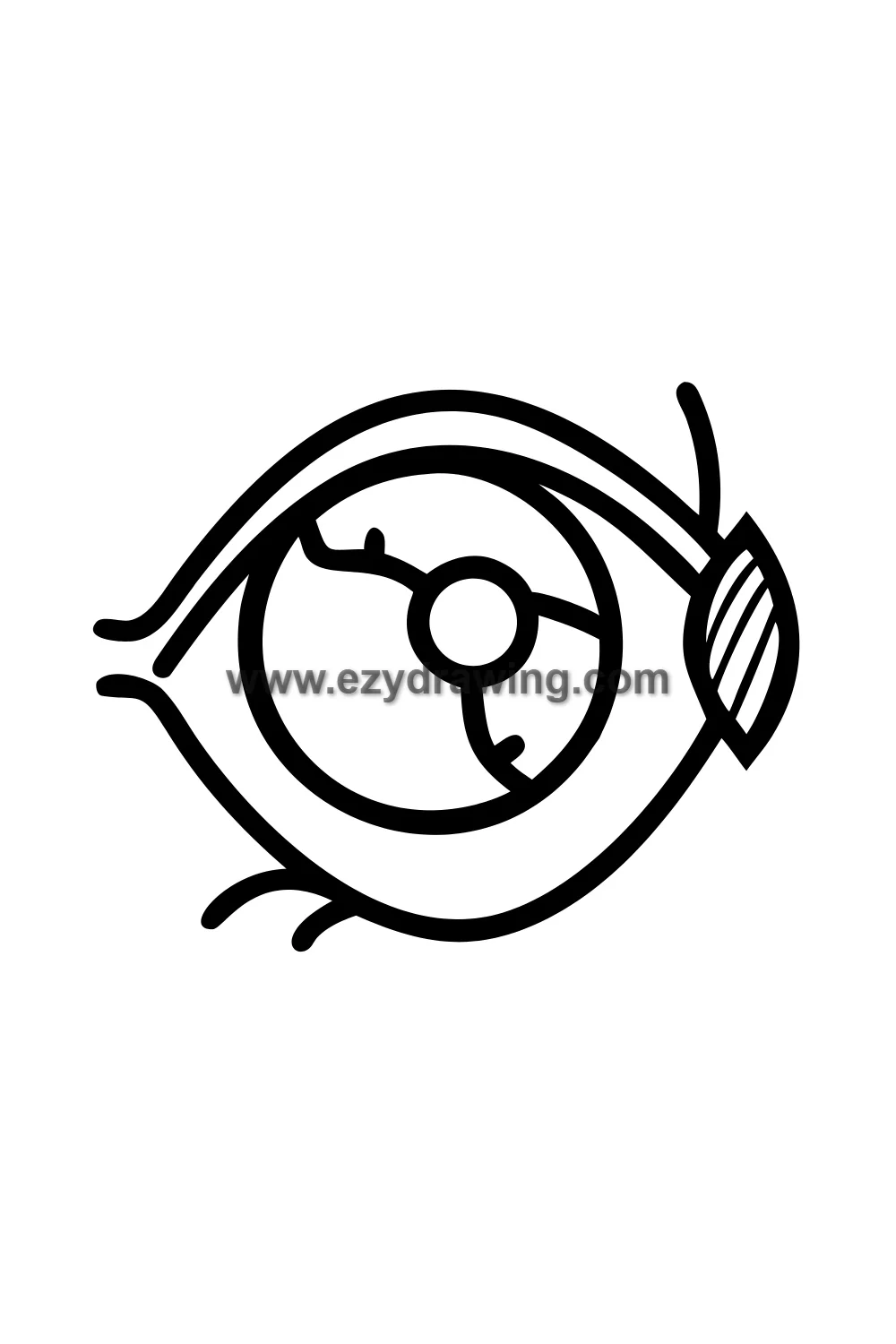
This close-up eye study reveals everything happening in that small but extraordinarily expressive facial feature — the upper eyelid curving over the iris from above, the lower eyelid forming a gentler curve below, the iris as a colored ring around the dark pupil, the highlight dot that gives the eye its sense of life, the inner and outer corners, the lash line, and the brow above framing everything.
The side profile view alongside the front view is enormously valuable because it reveals the eye as a three-dimensional sphere sitting within a bony socket — understanding this depth explains why eyes look different when the head turns and why shadows fall where they do around the eye area.
This eye anatomy reference is one of the most practically useful drawings any artist can create and study, as eyes are the most noticed and most expressive feature in any portrait. An essential anatomy drawing idea! 👁️
7. Gesture Figure Dynamic Poses
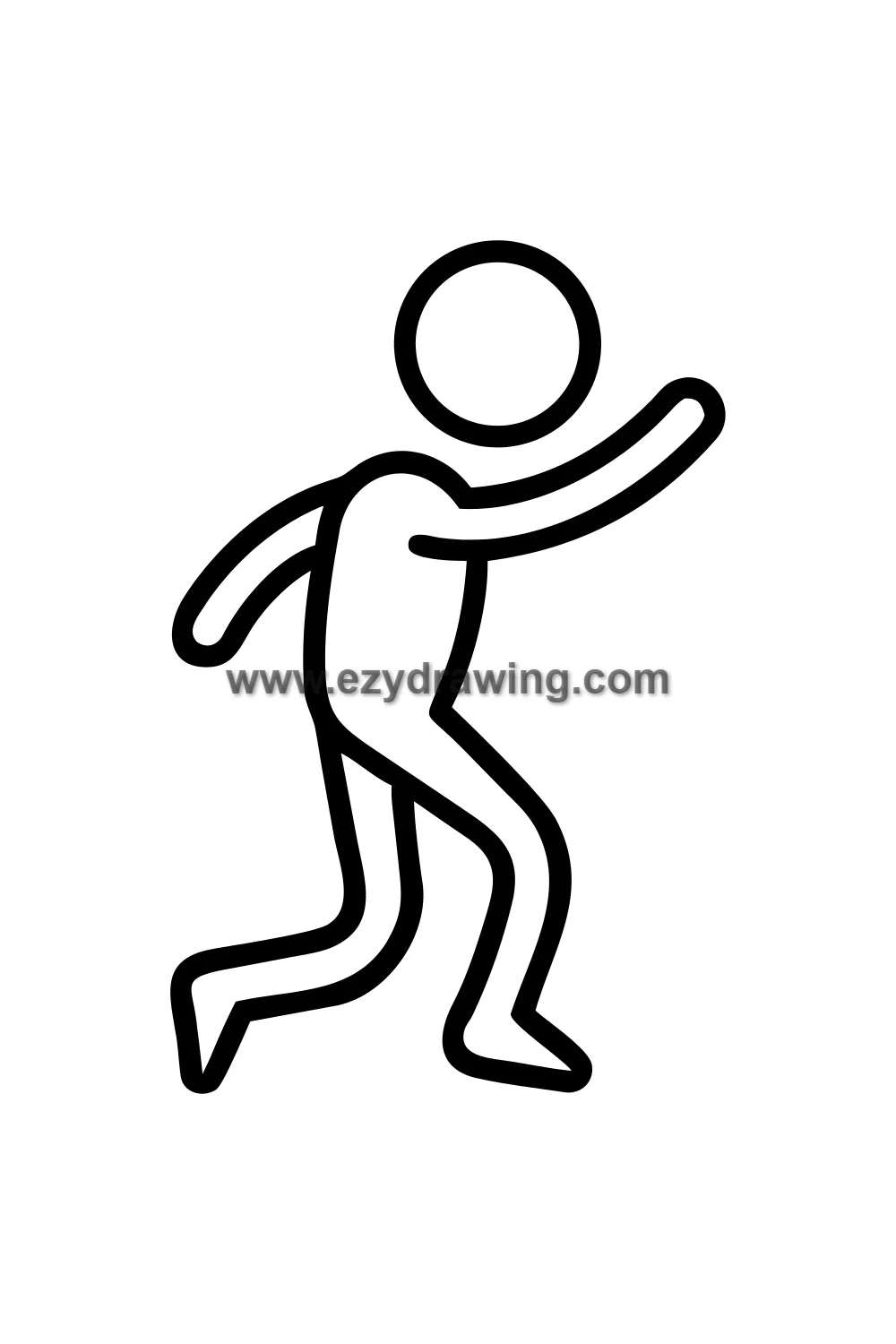
Six dynamic gesture figures capture the full energy of the human body in motion — a running figure leaning into speed, a jumping figure with limbs extended, a sitting figure with weight settled, a reaching figure stretching upward, a bending figure curved forward, and a twisting torso showing the spine’s rotation. Each is drawn with loose, flowing lines that prioritize energy over detail.
Gesture drawing is the practice of capturing the essential movement and energy of a pose in as few lines as possible, usually in sixty seconds to two minutes. These simplified figures are not stick figures — they have mass and flow — but they are not detailed anatomy either. They live in the energetic middle ground that trains the artist’s eye for movement.
This gesture reference teaches the most important foundational figure drawing skill: seeing and capturing the overall flow of a pose before worrying about any individual body part. A transformative anatomy drawing idea! 🏃
8. Spine and Torso Structure
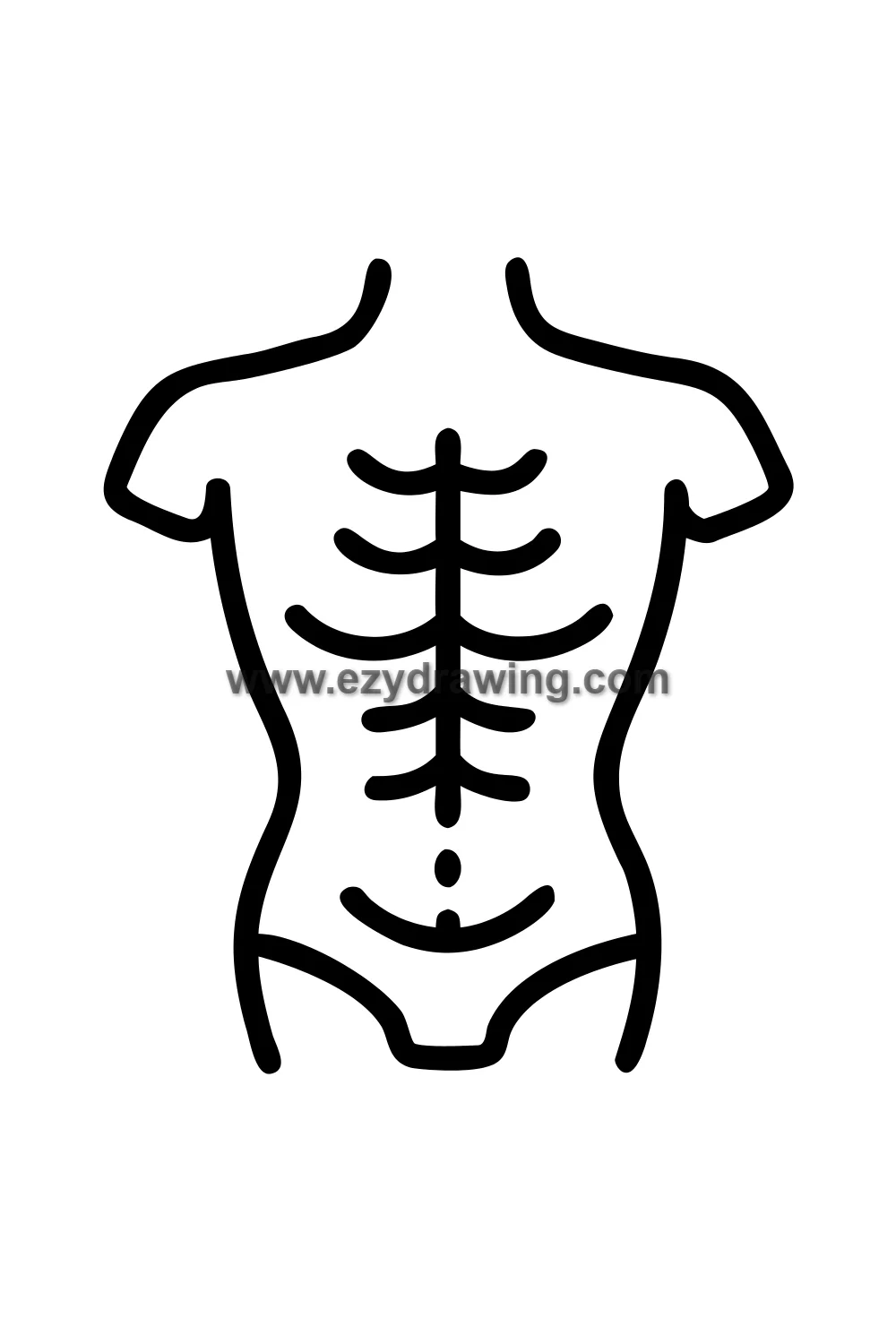
The torso is revealed as three connected units — the ribcage sitting above like an egg-shaped cage, the pelvis below like a bowl shape, and the spine as a gently S-curved column connecting them and allowing the extraordinary range of bending, twisting, and arching that the human torso achieves. Understanding these three units changes torso drawing forever.
The key insight this drawing communicates is that the ribcage and pelvis can tilt independently of each other — when the hip tilts one way the shoulder compensates by tilting the other — creating the natural, weight-shifting poses that make figures look alive rather than stiff. The spine’s S-curve explains why the human back looks the way it does.
This torso structure understanding is perhaps the single most important anatomical concept for improving figure drawing, as the torso is the foundation from which all limbs and the head emerge. A deeply foundational anatomy drawing idea! 🦷
9. Foot and Ankle Study Reference
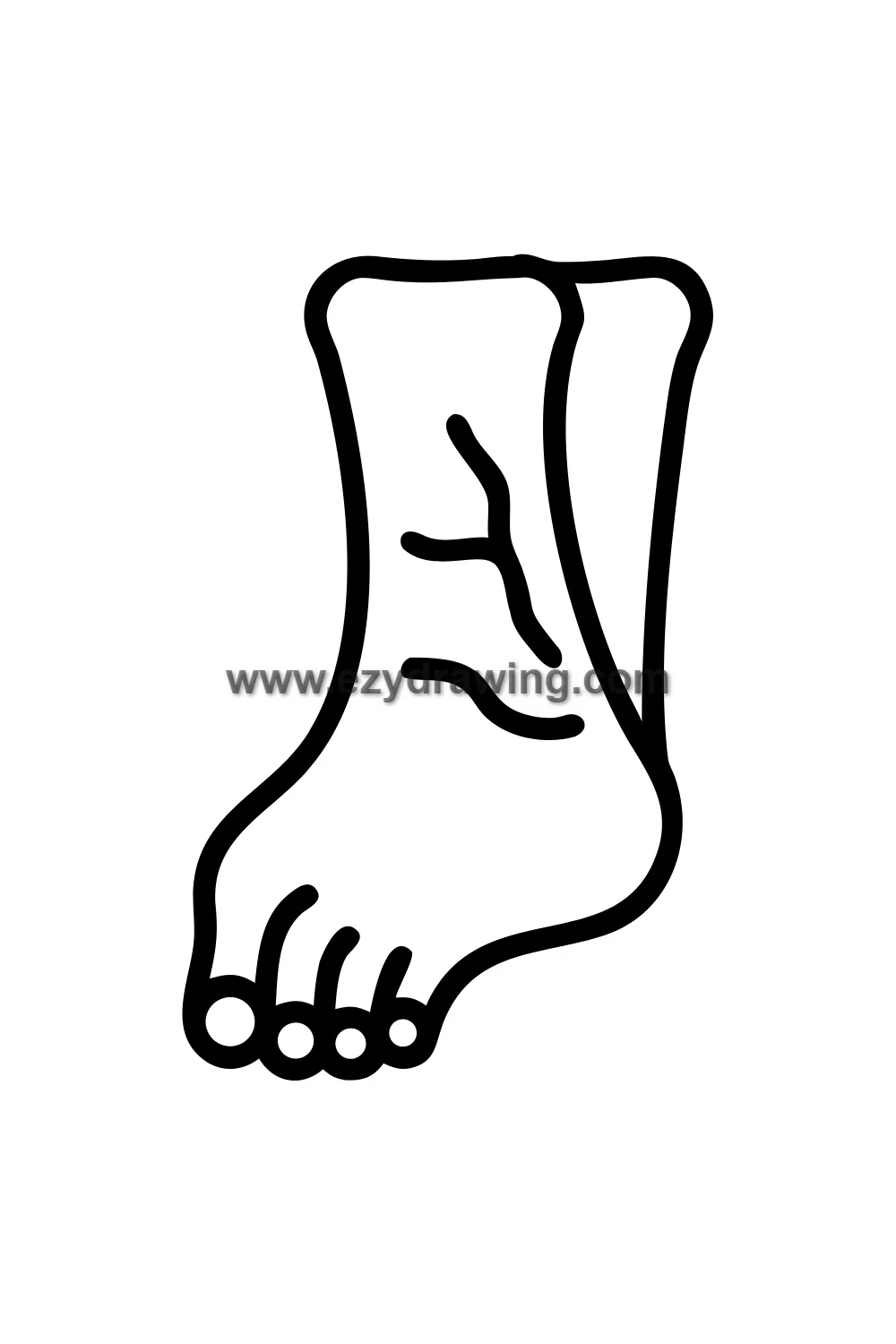
The foot is shown from four revealing angles — the side profile showing its distinctive wedge shape with the arch creating space beneath the middle, the front view showing the toe arrangement from longest to shortest, the sole showing the arch, heel, and ball of the foot, and the three-quarter view combining elements of all perspectives into the most drawn real-world angle.
The ankle bone placement — sitting higher on the inner ankle than the outer — is one of those specific anatomy details that immediately makes foot drawings look more correct and convincing. The arch of the foot is another commonly misunderstood feature that this reference clarifies beautifully.
Feet are notoriously difficult to draw convincingly and are often avoided or poorly executed by beginners — this multi-view reference gives any artist the structural understanding to draw feet from any angle with confidence. A deeply practical anatomy drawing idea! 👣
10. Simplified Muscle Figure Front Back
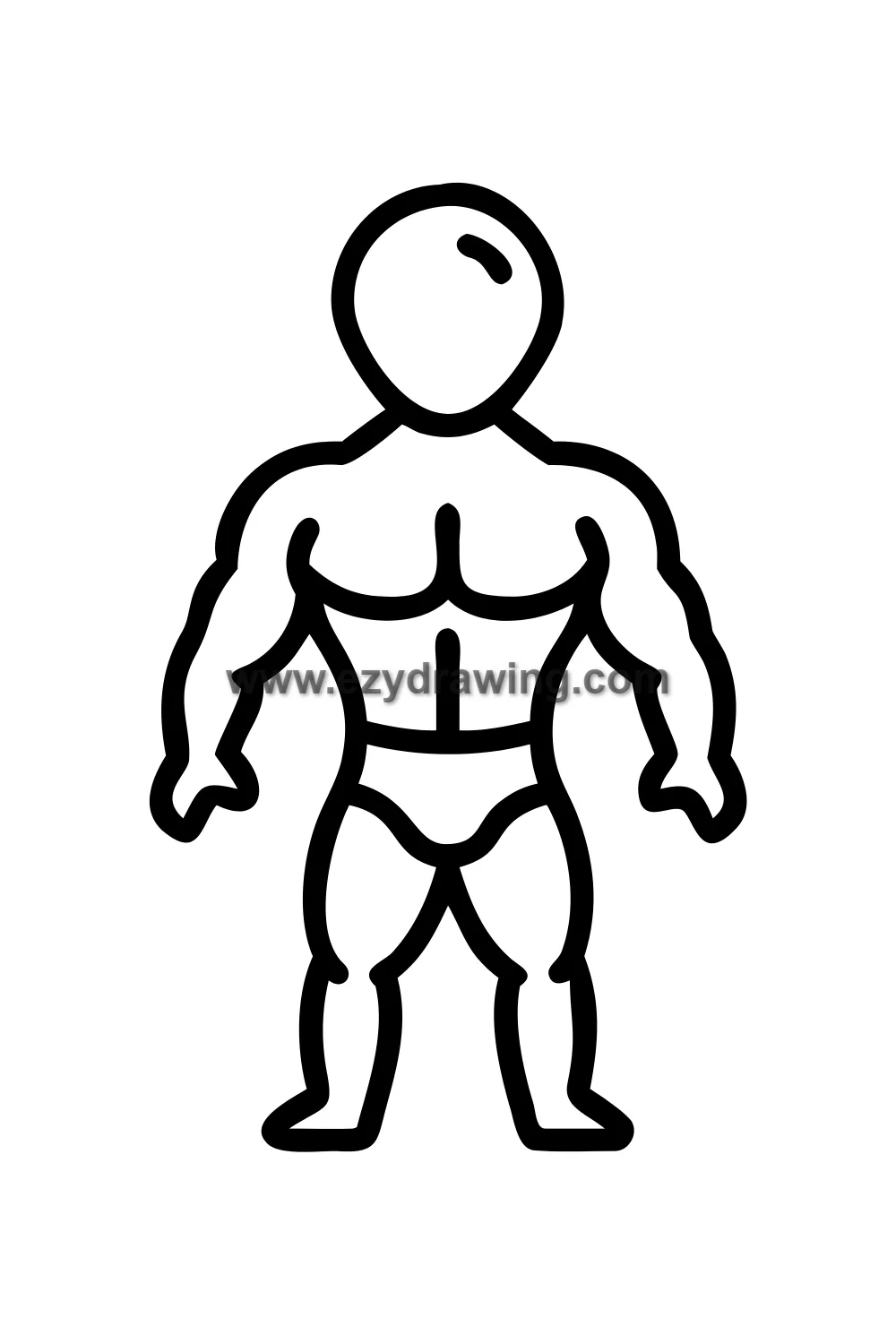
A complete muscular figure stands in front and back views, the major muscle groups simplified into their essential shapes on both sides — the pectoral chest muscles and abs from the front, the trapezius shoulder muscles and latissimus back muscles from behind, the quadriceps thighs from the front, and hamstrings from the back. The whole body’s muscular landscape made visible and learnable.
Each muscle group is drawn as a simplified form rather than a complex anatomical diagram — the abs as a grid of rounded rectangles, the pectorals as two fan shapes, the deltoids as rounded shoulder caps. This simplification makes the information immediately usable for artists rather than overwhelmingly medical in detail.
Understanding this simplified muscle map allows artists to draw figures that look physically plausible and alive even in complex poses — the muscles shift and compress and stretch naturally when the artist knows where they live. An enormously valuable anatomy drawing idea! 💪
11. Head Turning Position Studies
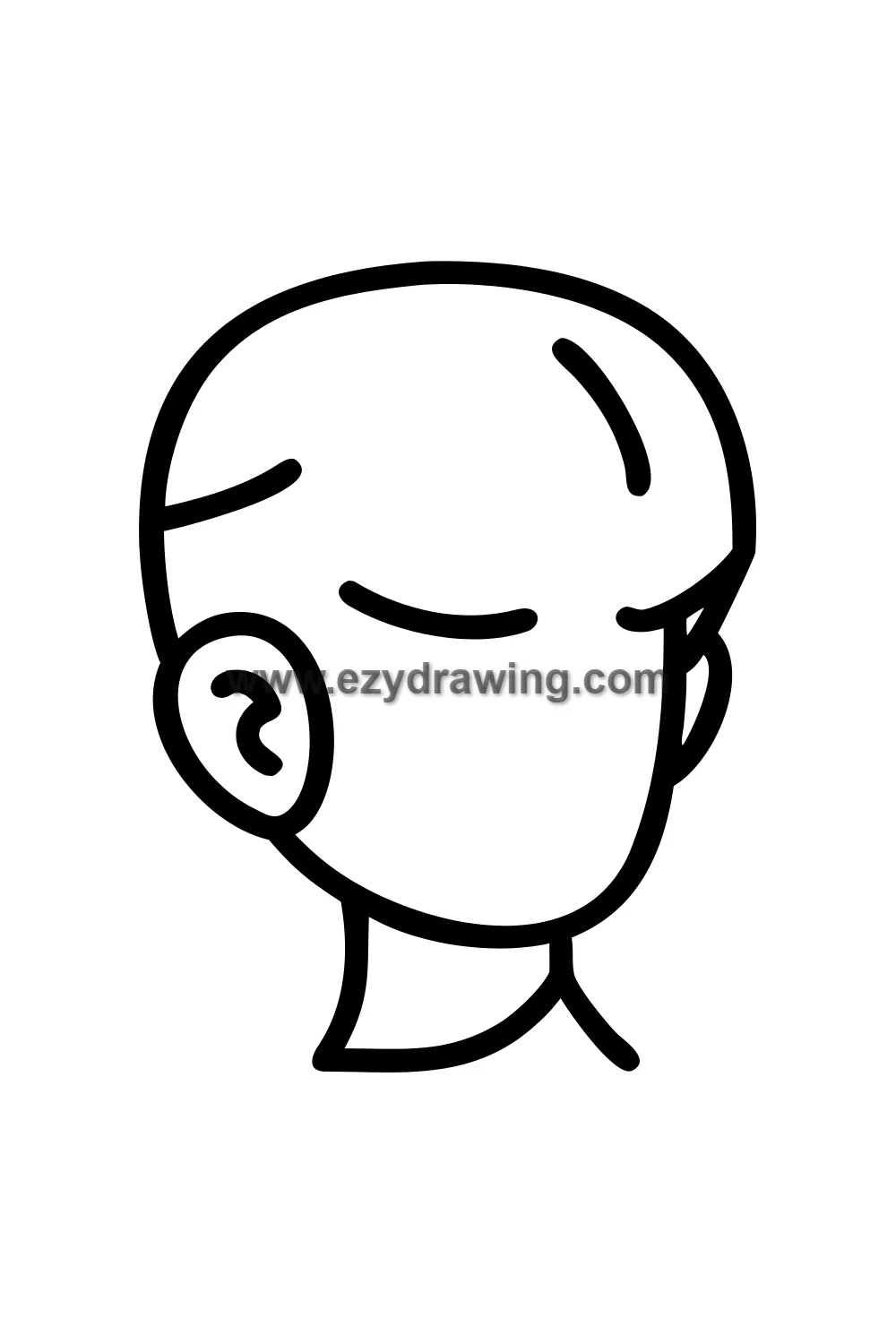
Seven views of the same head trace the complete rotation from full front face through three-quarter turn to full profile to full back and back again — showing exactly how the center line curves around the head with each turn, how the far eye narrows in three-quarter view, how the nose tip extends beyond the face outline in profile, and how the ear travels from side to center to completely hidden as the head turns.
This rotation study is one of the most practically useful anatomy references an artist can create because the ability to draw a head convincingly from any angle is fundamental to creating characters in dynamic scenes and varied compositions. Each of the seven positions represents a different drawing challenge with its own rules.
Understanding head rotation transforms a character from a one-angle drawing into a fully three-dimensional being who can exist and be drawn from anywhere. A genuinely transformative anatomy drawing idea! 🔄
12. Hand Bone Structure Reference
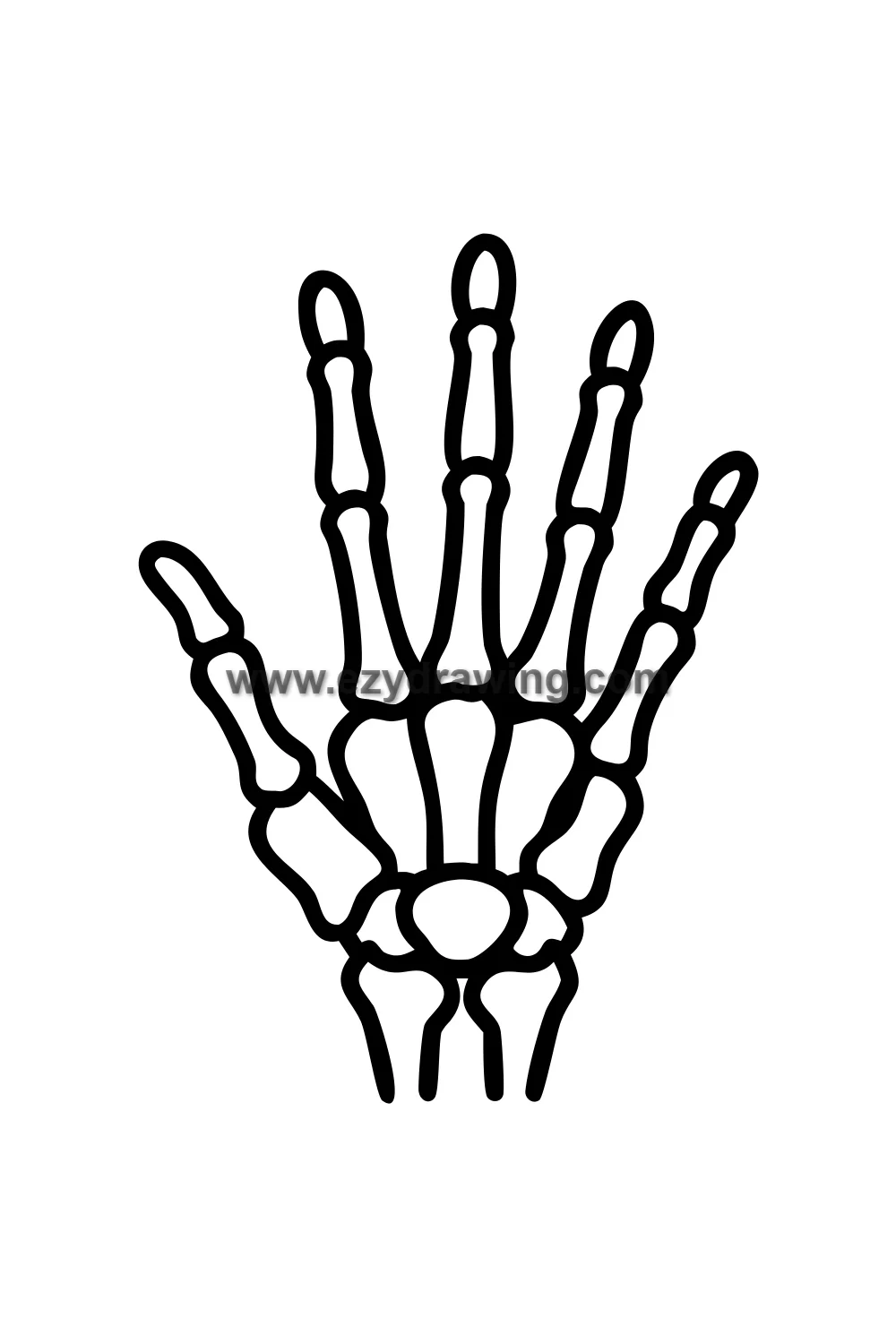
The hand skeleton is shown from both front and back with the skin outline drawn as a ghost line around the bones — revealing exactly how the knuckle bumps on the outside of the hand correspond directly to the metacarpal bone joints beneath, and how the finger segments create the distinctive three-part division of each finger. The skeleton is the explanation for everything the surface looks like.
The three bone groups of the hand are simplified but accurately shaped — the wrist carpals as a cluster of small irregular shapes, the metacarpals as five parallel rod shapes forming the hand, and the three phalanges of each finger as decreasing-length cylinder shapes. The thumb’s two-phalange structure is also clearly shown.
Understanding the hand skeleton is the key that unlocks convincing hand drawing — once you can feel the bones beneath when you look at a hand, drawing hands becomes dramatically more intuitive and accurate. A deeply revelatory anatomy drawing idea! 🦴
13. Emotion Body Language Full Figure
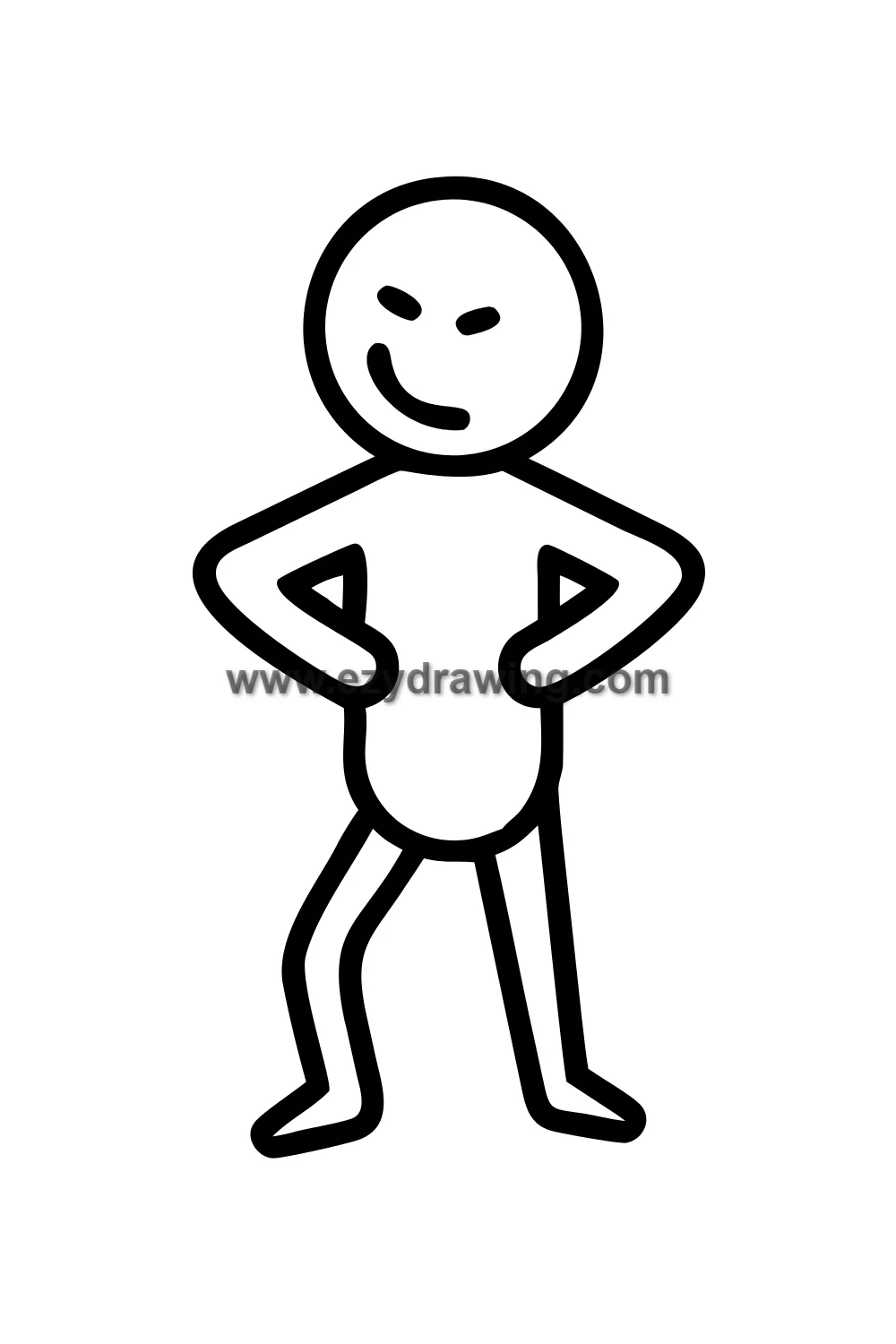
Six figures demonstrate the full-body language of six different emotions — the confident figure standing tall with weight evenly distributed and chest open, the defeated figure with curved spine and dropped head, the excited figure mid-jump with arms raised, the nervous figure with arms crossed and weight shifted to one side, the proud figure with chest lifted and chin up, and the exhausted figure slumped with every bone seeming heavier than usual.
The crucial detail of this reference is that no facial expressions are used — the faces are completely blank — which forces all emotional communication through body posture, weight distribution, spine angle, and limb position alone. This isolates body language as a drawing skill and demonstrates just how powerfully the body communicates without the face.
This drawing teaches one of the most advanced and valuable figure drawing lessons: that emotion and character live in the entire body from head to toe, and that mastering full-body expression elevates any character drawing from flat illustration to genuinely alive storytelling. The most comprehensive and meaningful anatomy drawing idea to end on! 🧍
Congratulations on exploring all 13 anatomy drawing ideas! 🎉 Every proportion guide you study, every hand pose you practice, and every muscle group you learn adds permanently to your artistic understanding and makes every figure you draw more convincing, more alive, and more expressive.
Anatomy study is a lifelong companion for any serious artist — even the greatest masters never stopped learning from the human body. Keep studying, keep practicing, and keep marveling at the extraordinary machine you live in every day! ✨🖍️
✏️ Explore more cute easy drawing ideas with us >>
Easy Cute Drawing Sketches Ideas
Easy Cute Frog Drawing Ideas
Easy Cute Sunflower Drawing Ideas
Easy Cute Hands Drawing Ideas
Easy Things To Draw For Drawing Loving Kids