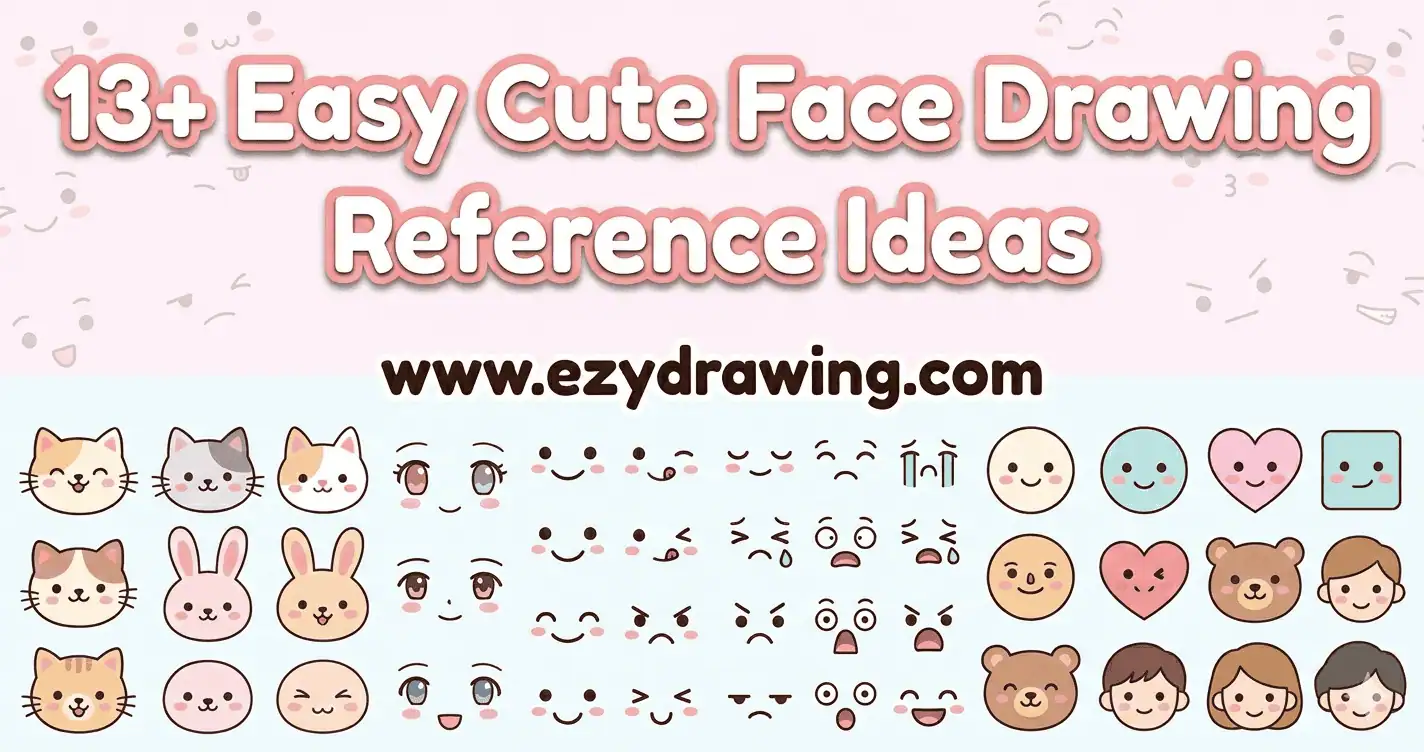
13+ Easy Cute Face Drawing Reference Ideas
Learning to draw faces is one of the most rewarding and transformative skills any artist can develop, and the secret is that it’s so much more approachable than most beginners believe! 😊
Every face tells a story, every expression carries an emotion, and every unique combination of features creates a character that feels genuinely alive on the page.
With the right Face Drawing Reference Ideas, you can confidently explore different expressions and styles while strengthening your Characters Drawing skills at the same time.
Whether you want to master kawaii chibi faces, expressive anime eyes, or practice a simple guy drawing alongside realistic portrait proportions, this guide will spark your practice immediately. Grab your pencil and let’s bring some faces to life! ✏️
Face Drawing Reference Ideas Tips to Instantly Level Up Your Sketches ✏️✨
- The eyes are placed roughly halfway down the head — beginners almost always draw them too high, so measure carefully!
- Practice individual features separately before combining them — draw pages of just eyes, just noses, just mouths to build confidence
- Eyebrows do more emotional work than almost any other facial feature — changing their angle completely transforms an expression
- In cute and kawaii styles, making the eyes larger and the nose and mouth smaller creates that instantly charming character proportion!
1. Basic Kawaii Face Front View
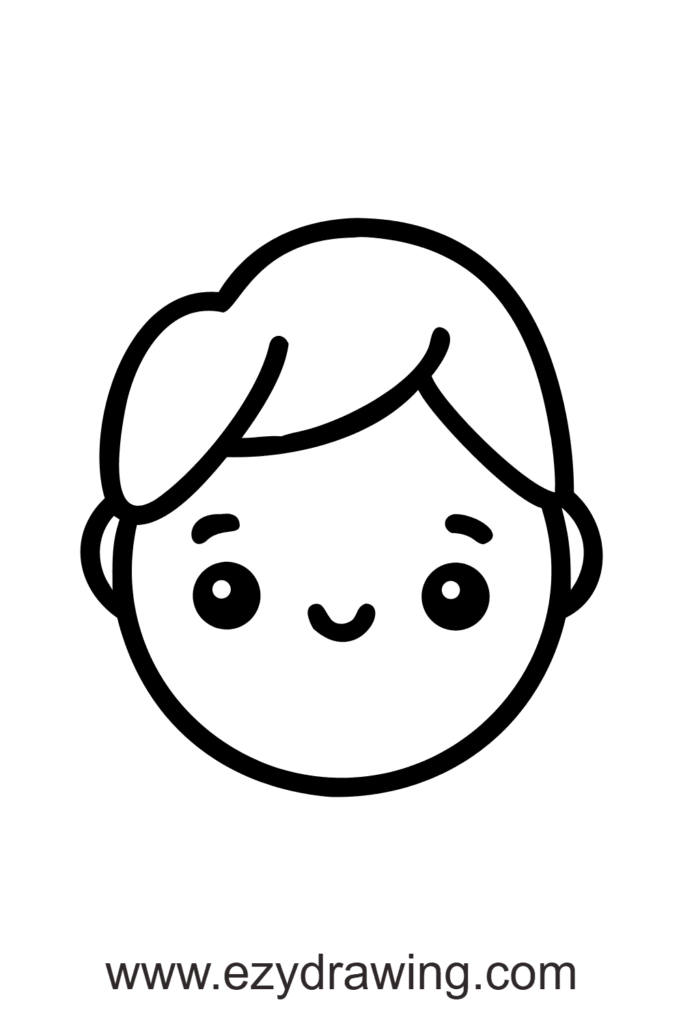
This essential front-view kawaii face reference shows exactly where every feature belongs — large sparkly eyes sitting precisely at the halfway point of the rounded head, a tiny suggested nose, a small happy mouth, and simple ears placed at eye level on either side. This is the foundation that every other face drawing builds on.
The reference includes subtle guideline marks — a horizontal center line showing eye placement, a vertical center line ensuring symmetry — drawn lightly enough to be clearly instructional without overwhelming the final face. The simple rounded head shape with its gentle jaw curve is the most forgiving and beginner-friendly face outline imaginable.
This reference drawing is the single most important face drawing starting point for any young artist. Master this front view, try a simple stitch drawing for character practice, and every other face variation becomes dramatically more achievable!
2. Three Quarter View Face Turn
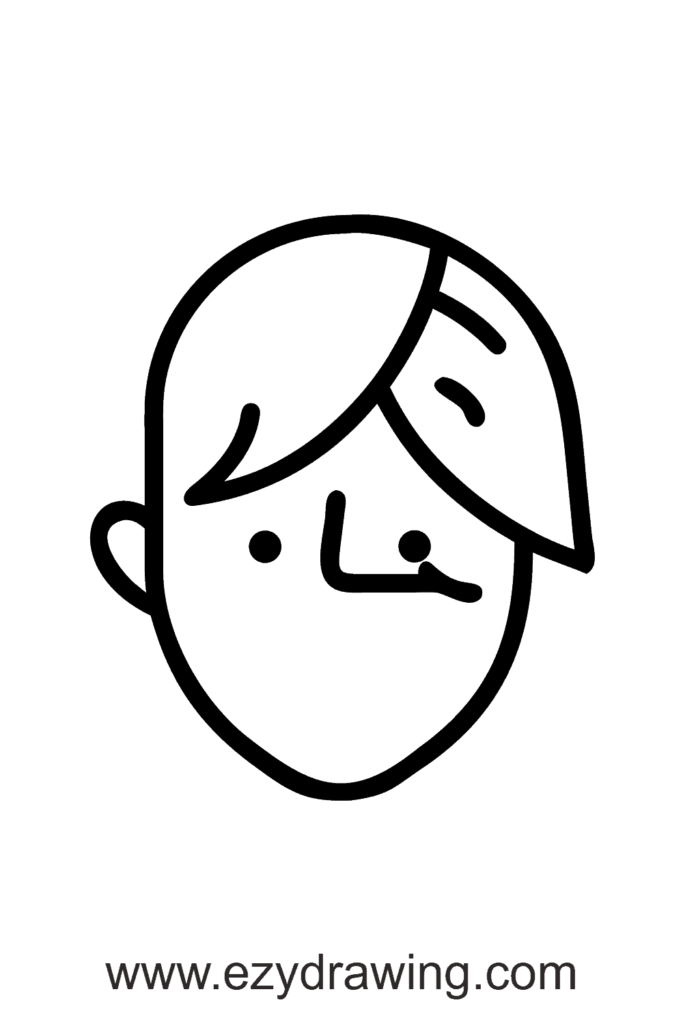
This three-quarter view reference captures the most useful and commonly drawn face angle — the face turned partway between front and side, showing both eyes while also revealing the profile of the nose and the depth of the face. This is the angle that makes character drawings feel most alive and dimensional.
The key details this reference teaches are how the vertical center line curves around the face with the turn, how the far eye becomes slightly narrower than the near eye, and how the nose tip extends slightly beyond the face outline on the turned side. These small adjustments are what make the difference between a flat face and a convincingly turned one.
This three-quarter view is arguably the most important single face drawing skill to develop, and having a clear reference for it is genuinely transformative for any beginner’s progress. It also pairs well with creative ideas like a simple wings drawing, helping beginners practice characters from different angles. An essential face drawing reference! 🎨
3. Side Profile Face Reference
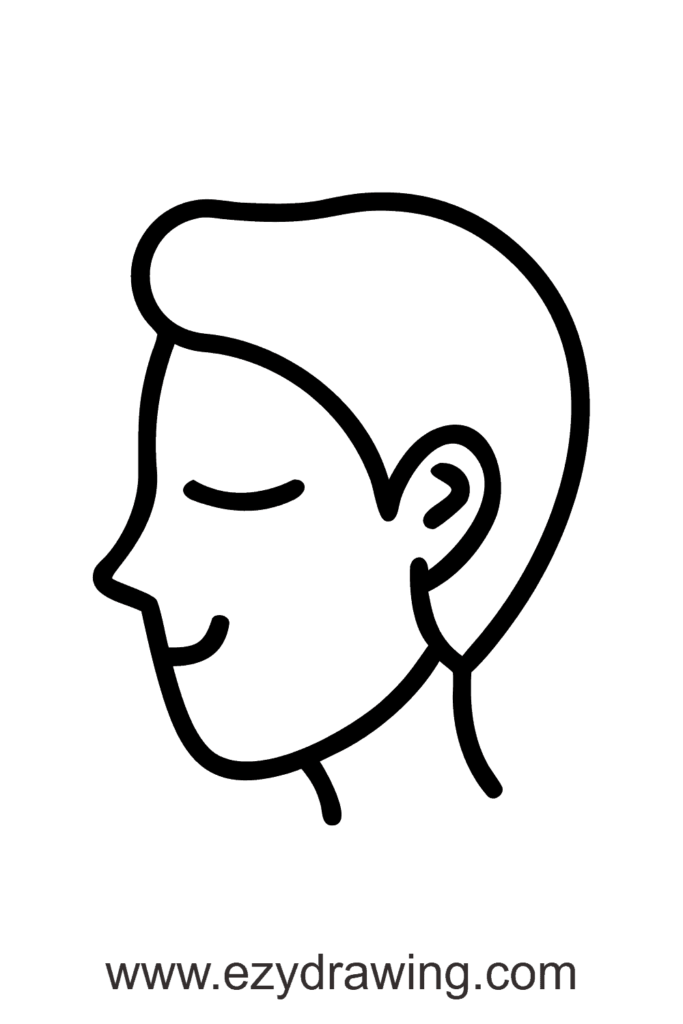
The side profile reference reveals the beautiful S-curve that runs from forehead through nose bridge, over the nose tip, past the lips, and down to the chin — one of the most elegant and satisfying lines in all of face drawing. Seen from the side, the face transforms into a completely different and fascinating set of shapes.
From this angle, the eye becomes a simple triangle or almond shape pointing forward, the nose reads as a small protruding shape rather than two nostrils, and the lips form a gentle forward curve. The ear sits roughly between the eye level and the nose level on the side of the head — a placement that surprises many beginners who draw it too far forward or back.
This profile reference is beautifully simple once you understand the flowing curve that defines it, and practicing profiles dramatically improves all other face angles. It also helps when practicing hair drawing, since side views clearly show how hair follows the shape of the head. A fundamental face drawing reference! 👤
4. Expressions Sheet Happy Sad
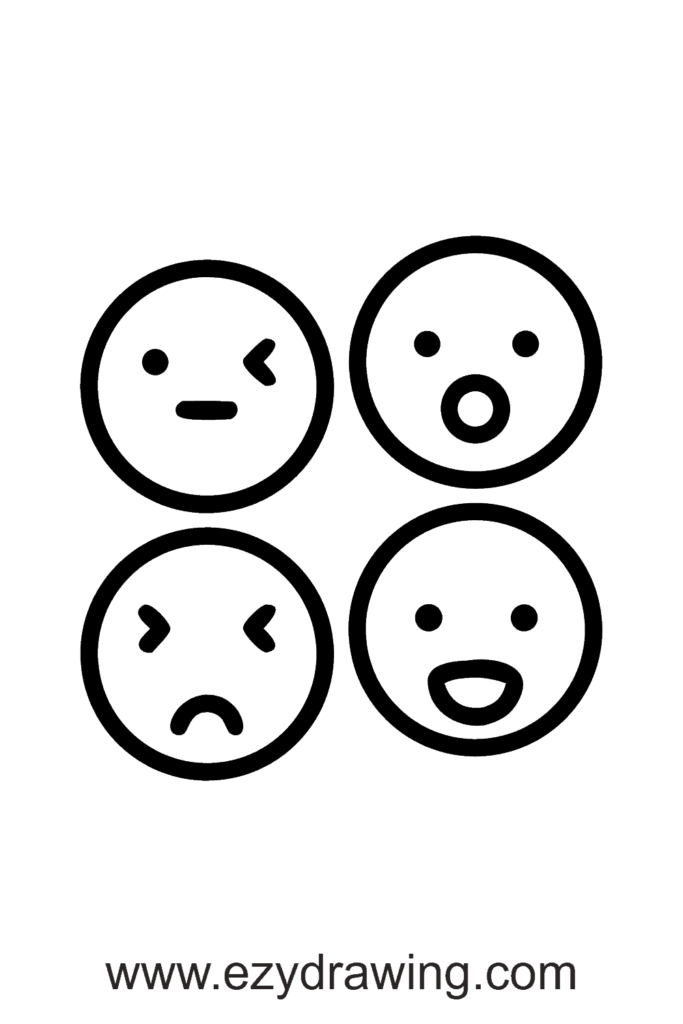
This expression reference sheet puts four essential emotions side by side — happy with upward curved mouth and relaxed brows, sad with downturned mouth and inner brows raised, angry with lowered brows pressed inward and tight mouth, surprised with wide open eyes and raised brows and open mouth — making the differences immediately visible and learnable.
The genius of showing four expressions on one sheet is that you can directly compare how the same basic face structure transforms entirely through eyebrow angle and mouth shape alone. The eyes barely change between expressions — it’s really the brows doing most of the emotional heavy lifting.
This expression reference is one of the most practically useful face drawing tools a beginner can study, immediately unlocking the ability to give any character a full emotional range. An incredibly valuable face drawing reference! 😄
5. Anime Eyes Detailed Reference
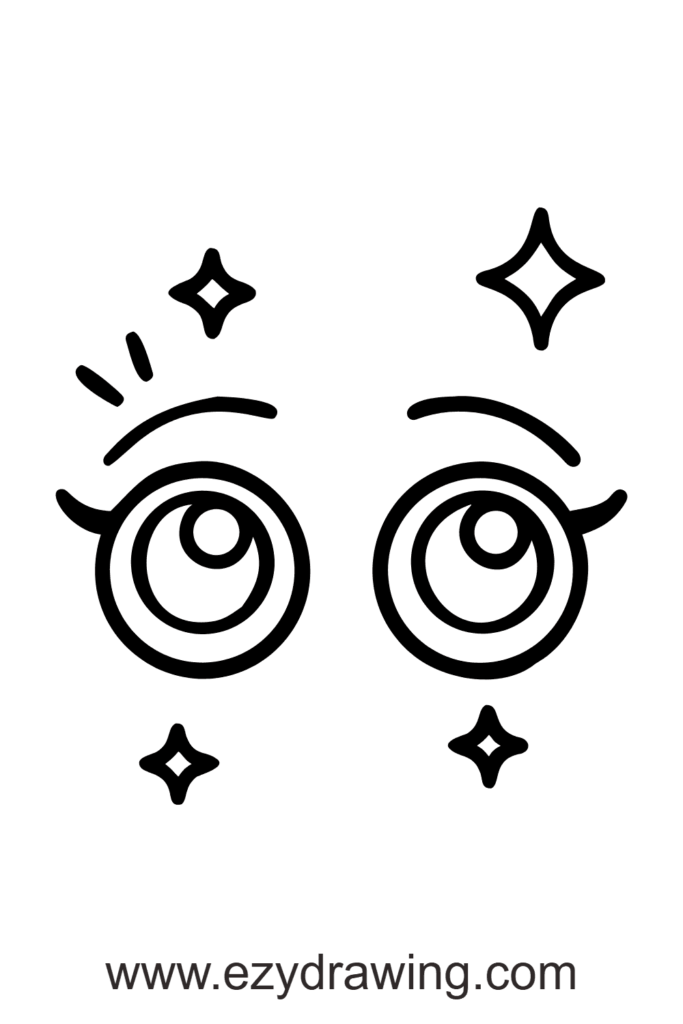
This eye reference sheet lays out the beautiful variety of anime and kawaii eye styles side by side — from the simplest two-dot kawaii eyes to large elaborate sparkly anime eyes with multiple highlights, from dreamily half-closed eyes to wide surprised ones — each one broken down to show exactly how it’s constructed.
The most important lesson this reference teaches is highlight placement — that small white dot or shape in the upper portion of the iris that makes drawn eyes look alive and luminous. Without the highlight, eyes look flat; with it, they suddenly seem to have depth and light within them.
Eyes are the most expressive and important feature in anime and kawaii face drawing, and having a clear reference for multiple styles dramatically accelerates any artist’s development. An essential and deeply useful face drawing reference! ✨
6. Hair Framing Different Face Shapes
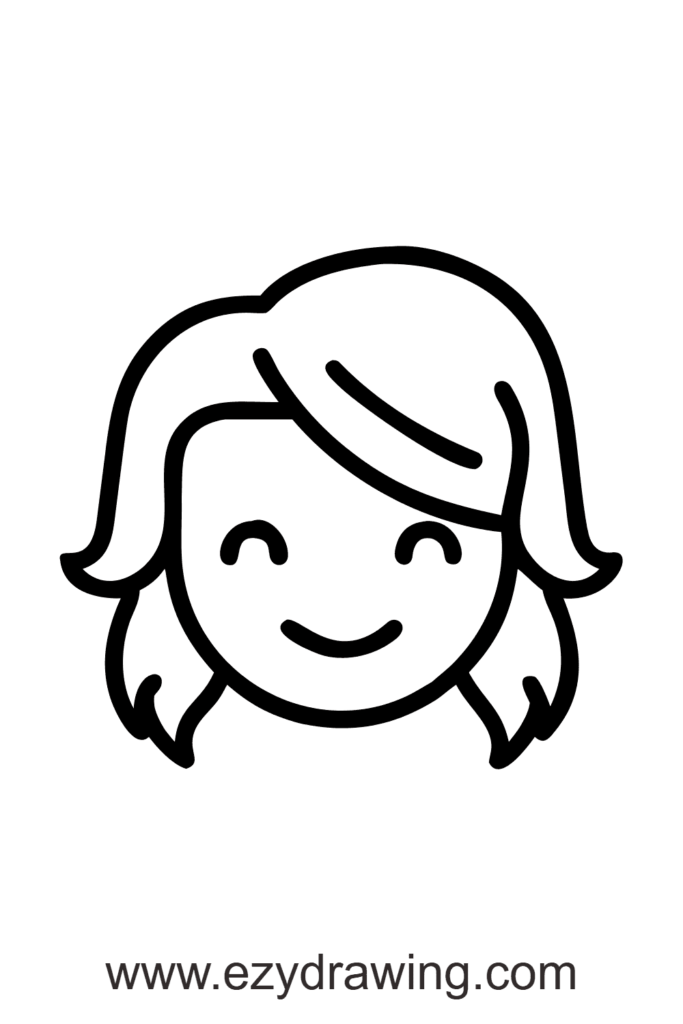
This hairstyle reference shows the same face four times wearing completely different hair — long straight cascading down, a short wild curly style, a neat bob, and high pigtails — and the transformation is striking each time. The hair frames and defines the face so powerfully that each version feels like a completely different character despite identical features.
The reference demonstrates a crucial artistic concept: that the silhouette of the hair is often the first thing a viewer sees, and that silhouette alone communicates enormous amounts of personality information before the viewer even processes the facial features. A wide, rounded hair silhouette feels soft and approachable; a sharp angular cut feels modern and confident.
This reference teaches beginners how powerful hair choice is in character design and how a single face can tell multiple different stories simply by changing the hair. A wonderfully eye-opening face drawing reference! 💇
7. Nose and Mouth Styles Reference
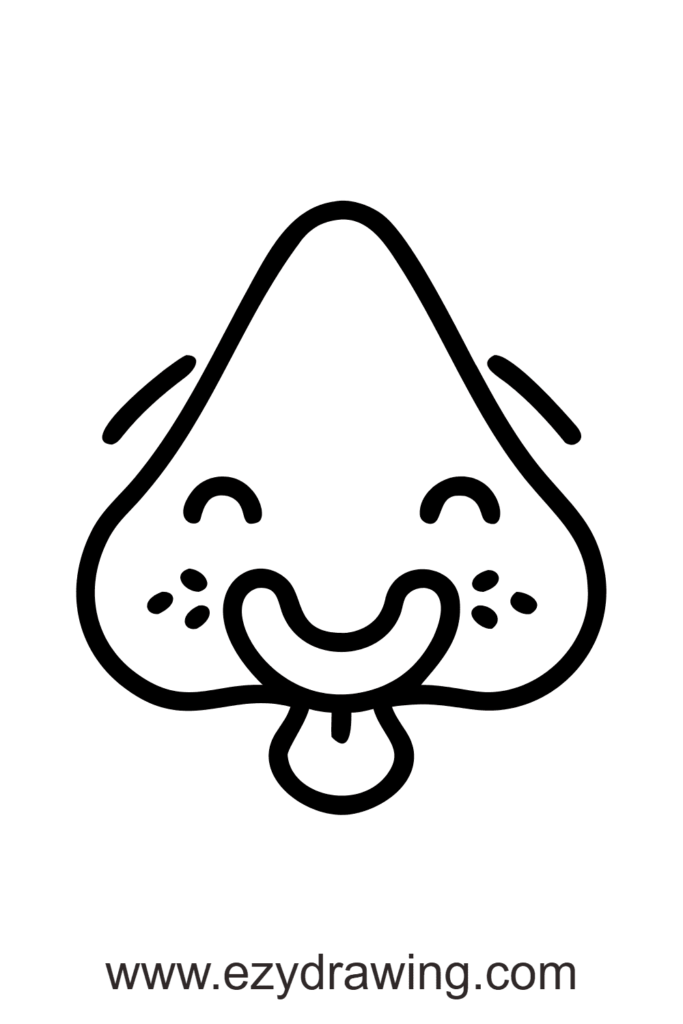
This nose and mouth reference grid lays out the wonderful variety available for these two often-underestimated features — noses ranging from a single dot to a small triangle to a button shape to a more realistic simplified form, and mouths showing everything from a simple curved line to an open smile with teeth to a small pout to an expressive shout.
Many beginners spend so much time on eyes that they treat noses and mouths as afterthoughts — this reference corrects that imbalance by showing just how much variation and expression these features carry. A tiny nose choice versus a slightly larger one completely changes a face’s personality and age.
This practical reference sheet gives any artist an immediate vocabulary of feature options to mix and match when designing characters. An incredibly useful and practical face drawing reference! 👄
8. Chibi Face Full Body Proportions
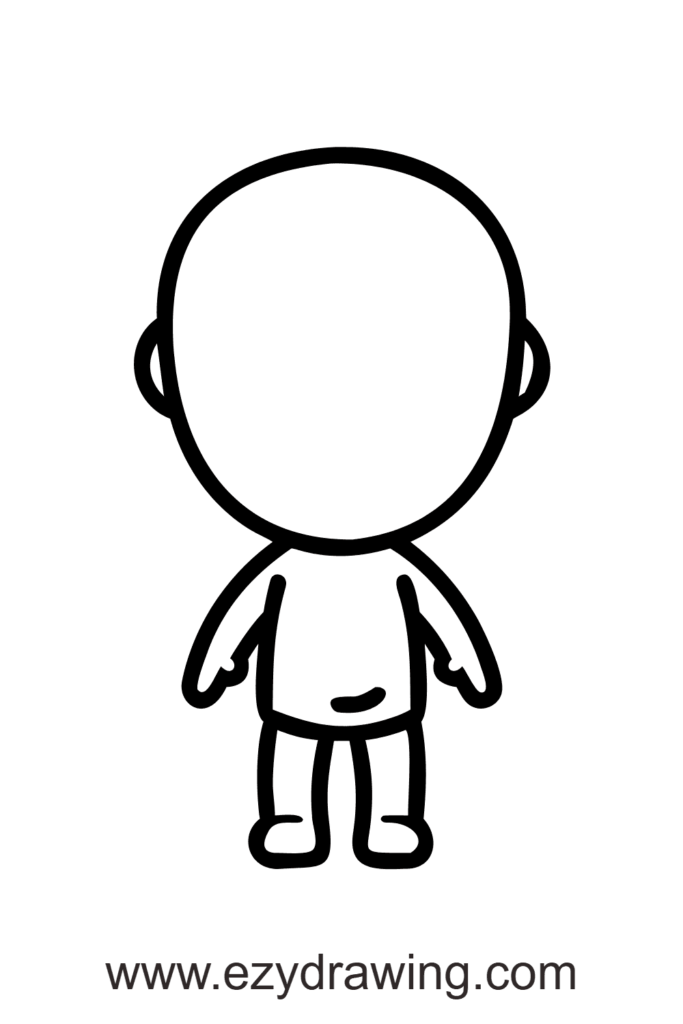
This chibi proportion reference shows the classic formula that makes chibi characters so irresistibly cute — the head is approximately the same size as the entire body below it, creating a top-heavy proportion that immediately reads as adorable, young, and full of personality. The whole character stands only about two head-heights tall.
The reference includes clear proportion lines showing exactly how large the head is relative to the body, how short the limbs are, and how simplified the body features become in this style. The large head means the face features — especially the eyes — occupy a much larger percentage of the total drawing than in realistic proportions.
Understanding chibi proportions unlocks the ability to transform any character into an adorable miniature version of themselves, which is one of the most beloved skills in kawaii art. A fundamental and joyful face drawing reference! 🌟
9. Skin Tone Shading Reference
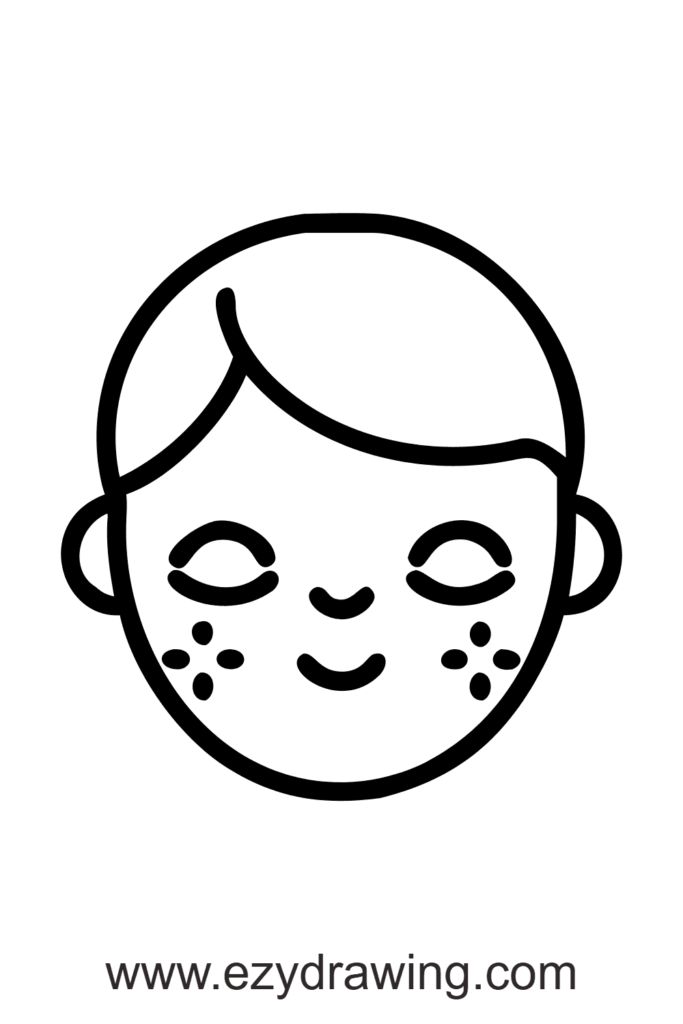
This shading progression reference shows the same simple face at three stages — completely flat and unshaded, then with basic two-tone shadows added under the chin and beside the nose, then with softly blended gradients — making the journey from flat drawing to dimensional portrait completely visible and learnable.
The most important lesson is that even the simplest shading — just one or two shadow areas added in a slightly darker version of the skin tone — creates an enormous leap in how three-dimensional the face appears. The blended version in the third stage shows how smooth transitions between light and shadow create the softest, most realistic effect.
This reference gives beginners a clear, achievable pathway from flat coloring to dimensional shading, making a seemingly complex skill feel completely manageable. A transformative face drawing reference! 🖌️
10. Different Face Shape Outlines
This face shape reference presents five fundamental face outlines side by side — the soft oval, the perfectly round, the wide-cheekboned heart, the defined angular square, and the narrow elegant diamond — each wearing the same simple features so the shape difference is crystal clear. Same features, completely different characters.
The round face immediately reads as youthful, friendly, and approachable. The square jaw suggests strength and determination. The heart shape with its wide forehead and pointed chin feels romantic and delicate. The oval is classic and versatile. The diamond feels striking and dramatic. All of this personality is communicated purely by the outline before a single feature is drawn.
This reference teaches one of the most powerful character design principles: that the face outline is a character choice, not just a starting shape. A deeply instructive and eye-opening face drawing reference! 😮
11. Age Progression Face Reference
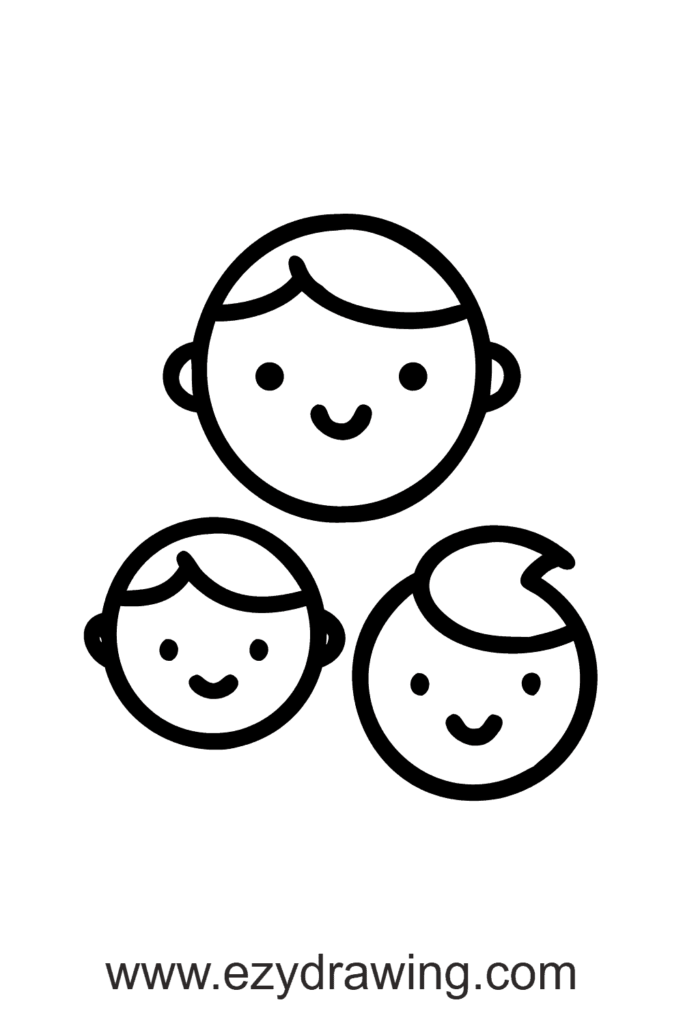
This age progression reference lines up three versions of the same character at different life stages — as a child with large round eyes and a high rounded forehead, as a young adult with balanced proportions and defined features, and as an older adult with gentle line details and a slightly softer, more settled face. Same person, three chapters of life.
The child face has the largest eyes relative to face size, the roundest head shape, and the smallest nose and mouth — these are the proportions our brains associate most strongly with youth and cuteness. As the character ages, the features gradually become more defined, the face slightly longer, and small detail lines appear.
This reference is invaluable for anyone who wants to draw characters at different life stages or create family groups with consistent features across ages. A fascinating and deeply useful face drawing reference! 👶
12. Diverse Features Celebration Reference
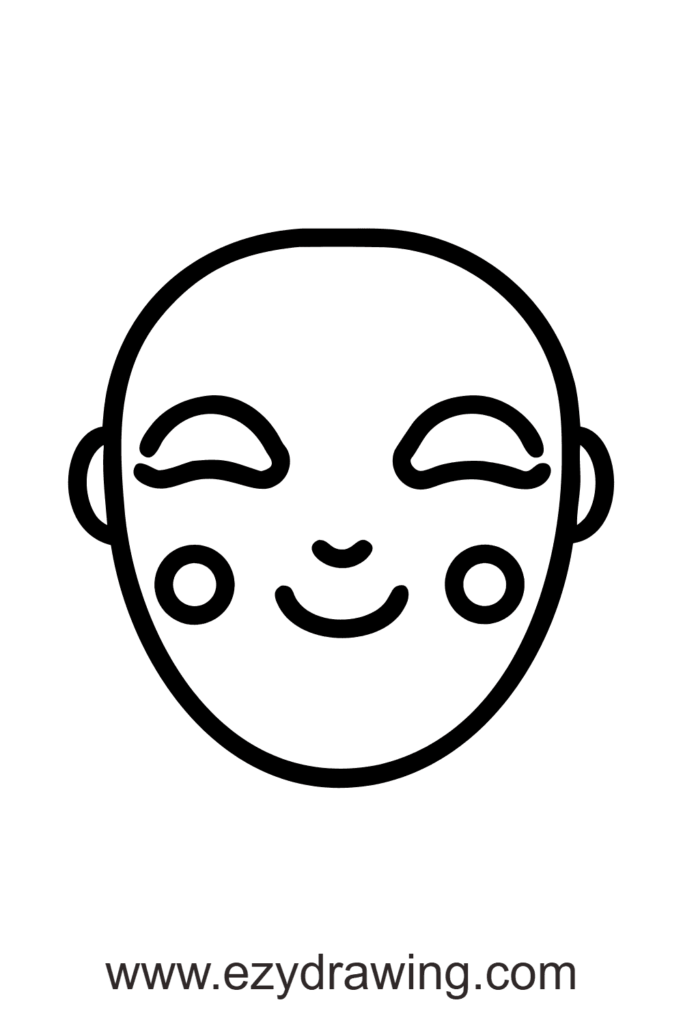
This beautiful reference sheet celebrates the incredible diversity of human facial features — monolid eyes beside almond-shaped eyes, fuller lips beside thinner ones, wider noses beside narrow ones, all drawn with equal care and beauty in the same warm kawaii style. Every face type represented here is equally worthy, beautiful, and important to learn to draw.
The reference teaches that there is no single default face — that drawing from the full spectrum of human features makes any artist’s work richer, more inclusive, and more truthful about the beautiful variety of humanity. Each feature combination shown here appears in real faces in the world.
This diversity reference is perhaps the most important face drawing reference of all because it expands every artist’s visual vocabulary to embrace the full gorgeous range of human faces. A meaningful and beautiful face drawing reference! 🌍
13. Emotion Through Eyes Only Reference
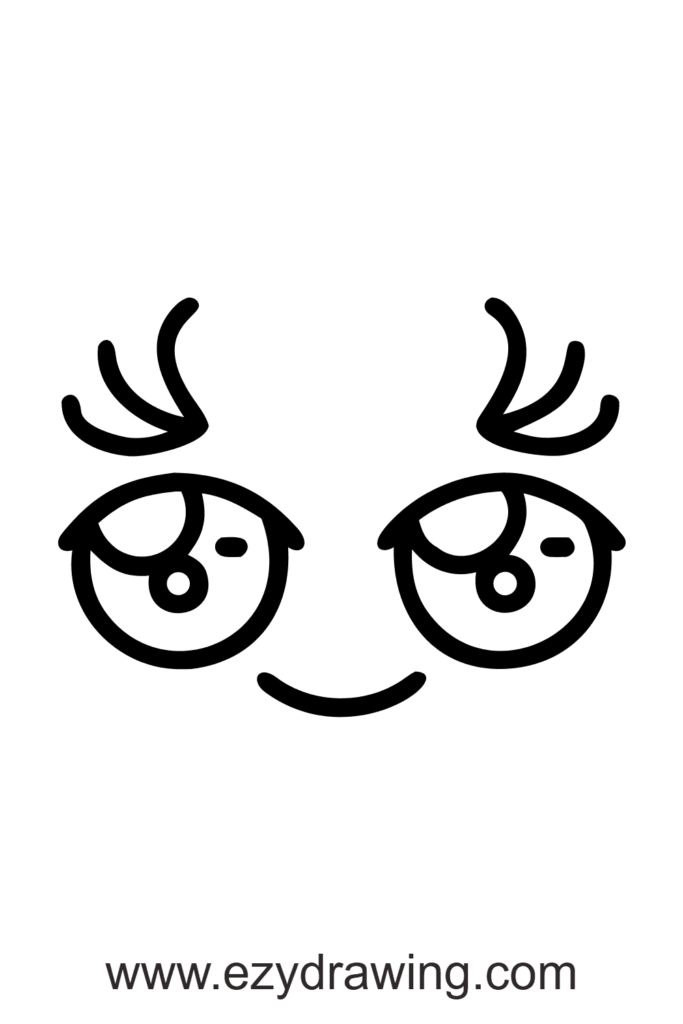
This fascinating reference covers the upper half of the face only — eight pairs of eyes each expressing a completely different emotion through brows, lid position, pupil size, and small details alone. Joy shows wide bright eyes with relaxed raised brows. Fear shows wide pupils and raised arched brows. Love shows soft half-closed eyes with gentle upward curves. Sleepiness shows heavy drooping lids. All without a single visible mouth.
The revelation this reference offers is just how much emotional communication happens in the eye area alone — how the distance between the eyebrow and the eyelid, the degree to which the eye is open, and the shape of the pupil can tell a complete emotional story without any other features present.
This is the most technically illuminating face drawing reference on the entire list, and studying it will permanently improve every character’s expressiveness. An absolutely essential and revelatory face drawing reference to end on! 👁️
Congratulations on exploring all 13 face drawing reference ideas! 🎉 Every reference you study and practice brings you closer to the ability to draw any face, any expression, and any character you can imagine with genuine confidence and skill.
Remember that face drawing is a lifelong practice that even professional artists continue developing — every page of practice, every expression study, and every proportion exercise builds toward something wonderful. Keep drawing faces with curiosity, patience, and joy! ✨🖍️
✏️ Explore more cute easy drawing ideas with us >>
Easy Cute Nose Drawing Ideas
Easy Cute Portrait Drawing Ideas
Easy Cute Unicorn Drawing Ideas
Easy Cute Goku Drawing Ideas
Easy Cute Spiderman Drawing Ideas